The most damaging mistakes after a car accident in Nashua, NH, usually happen in the first few days. Leaving the scene too soon, skipping medical care, missing the state’s reporting deadline, and talking too freely with an insurance adjuster can all weaken or even destroy a valid injury claim.
New Hampshire gives you three years to file most injury lawsuits, but your claim is often won or lost long before that. Here are the most common mistakes to avoid and the New Hampshire laws that make them so important.
Mistake #1: Leaving the Scene Without Exchanging Information
New Hampshire law requires every driver involved in a crash to immediately stop at the scene. Under RSA 264:25, drivers must exchange key information, including their name, address, driver’s license number, insurance details, and vehicle registration.
Leaving the scene of a crash that involves injury or property damage can lead to criminal charges. It also leaves you without the information you need to pursue a claim. Even after a minor fender bender on the Everett Turnpike or Amherst Street, stop, check on everyone involved, and call the police if anyone is hurt.
Mistake #2: Failing to Document the Scene
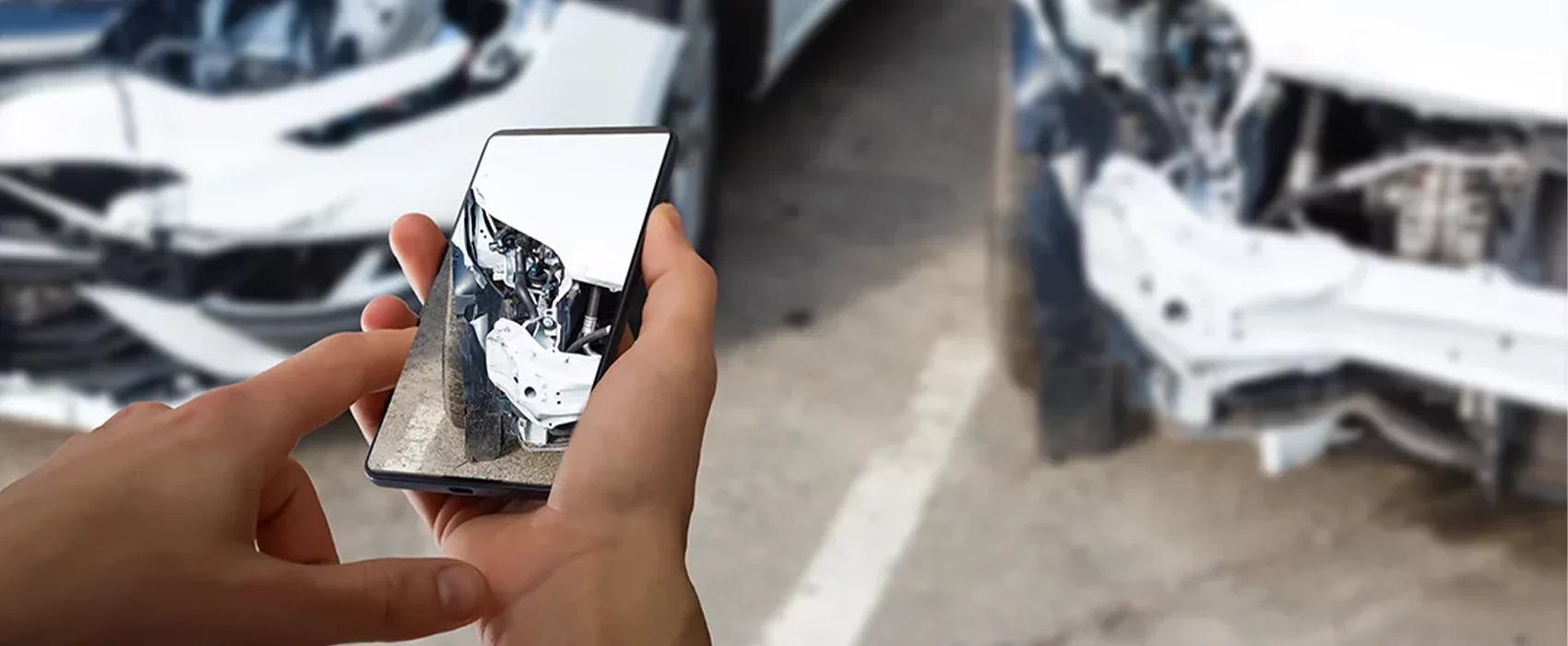
Evidence starts to disappear the moment vehicles are moved, but your safety comes first. Only gather information if you can do so without putting yourself at risk. Getting out of your car to take pictures on a busy road like Amherst Street or the Everett Turnpike can expose you to passing traffic. If you are not seriously hurt and can get to a safe spot, such as the shoulder, a sidewalk, or a nearby parking lot, try to gather:
- Photos of all vehicles, license plates, and damage
- Pictures of skid marks, debris, traffic signals, and road conditions
- Names and phone numbers of witnesses
- The name and badge number of the responding officer
If it is not safe to leave your vehicle, stay inside with your seatbelt on and your hazard lights flashing, and wait for the police to arrive. The responding officer’s report will capture much of this information, and you or your attorney can follow up on the rest later.
Ask whether nearby businesses have security cameras. Footage is often recorded over quickly, so it should be requested as soon as possible.
Mistake #3: Delaying or Skipping Medical Treatment
Many injuries, including concussions, whiplash, and internal injuries, may not cause obvious symptoms right away. Adrenaline can mask pain for hours or even days.
Waiting to see a doctor creates two problems. First, your health could be at risk. Second, insurance companies often argue that a gap between the accident and treatment proves you were not really hurt, or that something else caused your injuries. Get checked promptly, follow your treatment plan, and keep every appointment.
If you suspect a head injury, take it seriously. Traumatic brain injuries are sometimes missed in the first evaluation.
Mistake #4: Missing the DMV Reporting Deadline
New Hampshire has a specific accident reporting rule that many drivers overlook. Under RSA 264:25, if a crash causes death, personal injury, or combined vehicle and property damage over $1,000, the driver must report it in writing to the New Hampshire Division of Motor Vehicles within 15 days.
If a police officer investigated the crash, the officer’s report generally satisfies this requirement. If no officer investigated, you must file an Operator’s Report (Form DSMV 400) yourself. Because almost any modern vehicle repair exceeds $1,000, most crashes meet the threshold.
Mistake #5: Admitting Fault or Apologizing
It is natural to say “I’m sorry” after a crash, even when you did nothing wrong. Unfortunately, insurers may treat casual remarks as an admission of fault.
This matters because New Hampshire follows a modified comparative fault rule. Under RSA 507:7-d, you can recover damages only if your fault is not greater than the fault of the defendant or defendants. Any compensation you receive is reduced by your percentage of fault. If you are found more at fault than the other side, you recover nothing.
Stick to the facts when speaking with police and the other driver. Let the evidence show who was at fault.
Mistake #6: Giving a Recorded Statement to the Other Driver’s Insurer
Shortly after a crash, you may get a friendly call from the at-fault driver’s insurance adjuster asking for a recorded statement. You are generally not required to give one to the other driver’s insurer.
Adjusters are trained to ask questions that can minimize your injuries or shift blame. A statement given while you are in pain, on medication, or unsure of the full extent of your injuries can be used against you later. Your own policy may require you to cooperate with your insurer, but it is wise to speak with a lawyer before giving any statement.
Mistake #7: Accepting a Quick Settlement
Early settlement offers can be tempting, especially when medical bills and lost wages pile up. However, once you sign a release, you usually cannot ask for more money later, even if your injuries turn out to be more serious than expected.
Before accepting any offer, make sure you understand the full cost of your injuries, including:
- Future medical treatment
- Lost wages and reduced earning ability
- Pain and suffering
- Property damage
Our article on car accident settlement negotiation in New Hampshire explains what to expect during this process.
Mistake #8: Posting About the Accident on Social Media
Insurance companies regularly review claimants’ social media accounts. A photo from a family event or a comment saying you are “doing fine” can be taken out of context to argue that your injuries are not serious. The safest approach is to avoid posting about the crash, your injuries, or your activities until your claim is resolved.
Mistake #9: Waiting Too Long to Take Legal Action
Under RSA 508:4, most personal injury lawsuits in New Hampshire must be filed within three years of the accident. A limited discovery rule may apply when an injury could not reasonably have been discovered right away. Our overview of the New Hampshire statute of limitations covers this deadline in more detail.
Three years may sound like plenty of time, but evidence fades, witnesses become harder to find, and insurers become less willing to negotiate as time passes. Claims involving a government vehicle or entity may involve additional notice requirements and limits, so prompt action is especially important.
It also helps to review your own insurance early. New Hampshire is one of the few states that does not require most drivers to carry auto insurance, so the at-fault driver may have little or no coverage. Your own uninsured or underinsured motorist coverage may be an important source of recovery.
Talk to a Nashua Car Accident Lawyer
Avoiding these mistakes can protect both your health and your right to fair compensation. Gottesman & Hollis, P.A. has represented injured people in Nashua and throughout New Hampshire since 1978. Our Nashua car accident attorneys can handle the insurance companies, gather evidence, and pursue the full value of your claim. You can review some of our case results to see our experience.
For a consultation, call Gottesman & Hollis today at (603) 889-5959 or contact us online.
Disclaimer: This article provides general information only and is not legal advice. Past results do not guarantee a similar outcome.